Zintra Group works with Melbourne businesses across multiple industries and test and tag compliance comes up as a source of genuine confusion more often than it should. Most business owners know they need it done but very few know the correct intervals for their specific workplace. Getting this wrong does not just mean a failed audit. It means real safety risk for your staff and potential liability for your business. Here is a clear breakdown of what Victoria actually requires.
Test and Tag Intervals in Victoria Are Not One Size Fits All
Most people assume tests and tags are the same frequency across every workplace. It is not. The Australian standard AS/NZS 3760 sets different testing intervals based on the type of environment the equipment is used in. An office in South Yarra has different requirements to a construction site in Footscray.
Testing Intervals for Different Workplace Environments in Victoria
AS/NZS 3760 categorises workplaces by the level of risk the environment presents to electrical equipment. The harsher the environment, the more frequently equipment needs to be tested and tagged.
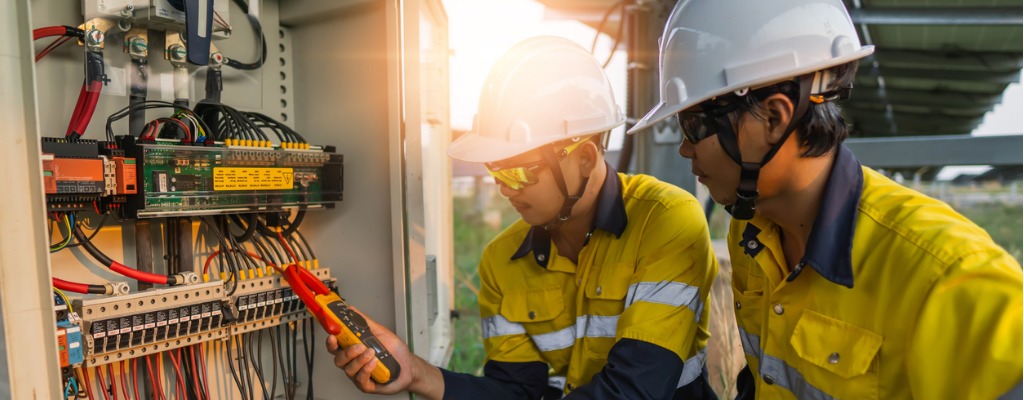
Construction sites and demolition environments in Victoria require testing every three months. These are high risk environments where equipment is exposed to physical damage, moisture, dust, and heavy use on a daily basis. A single damaged lead or faulty tool on a construction site in Melbourne can cause serious injury.

Workshops, factories, and manufacturing environments require testing every six months. Equipment in these settings faces regular wear and is handled by multiple workers across different shifts.
Office environments present the lowest risk and generally require testing every twelve months. This covers computers, monitors, printers, phone chargers, and kitchen appliances in workplace kitchens. However if the office has recently moved premises or had a fit out, all equipment should be tested before staff begin using it regardless of when it was last tagged.
What Happens if Your Business in Victoria Is Not Compliant
Non-compliance with AS/NZS 3760 in Victoria is not a minor administrative issue. WorkSafe Victoria has the authority to issue improvement notices, prohibition notices, and financial penalties to businesses that cannot demonstrate current test and tag records for their electrical equipment.
Beyond the regulatory consequences, the practical risk is significant. Faulty electrical equipment is one of the leading causes of workplace fires and electrical injuries in Australia. A business that has not maintained its testing schedule carries that risk entirely on its own shoulders if an incident occurs.
Insurance is another consideration that Melbourne business owners often overlook. Some commercial insurance policies have clauses that reduce or void coverage for electrical incidents if the business cannot produce current test and tag compliance records. Checking your policy against your testing schedule is worth doing before your next renewal.
For Melbourne businesses that have never had test and tag done or have lost track of their last testing date, the starting point is a full audit of all portable electrical equipment on the premises.
What Test and Tag Actually Covers in a Victorian Workplace
A lot of Melbourne business owners assume test and tag only applies to power tools and extension leads. The scope is broader than that and missing categories of equipment is a common compliance gap.
Any portable electrical appliance that is connected to a power outlet and can be moved is subject to testing. This includes computers, monitors, laptops with chargers, desk fans, portable heaters, kettles, microwaves, and refrigerators in staff kitchens. Extension leads and power boards are included and are actually among the most commonly failed items during testing.
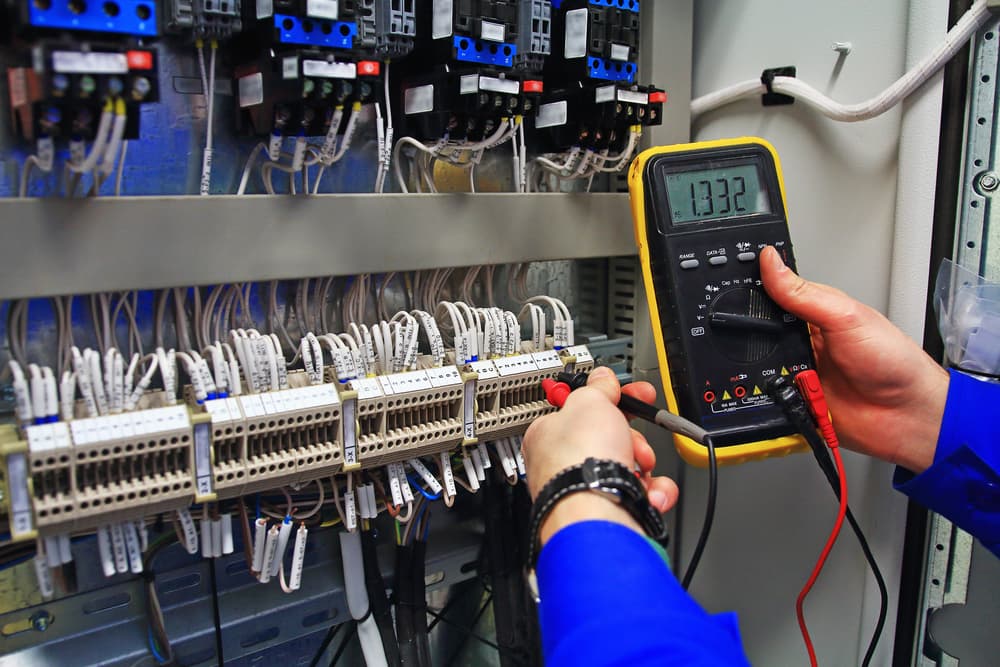
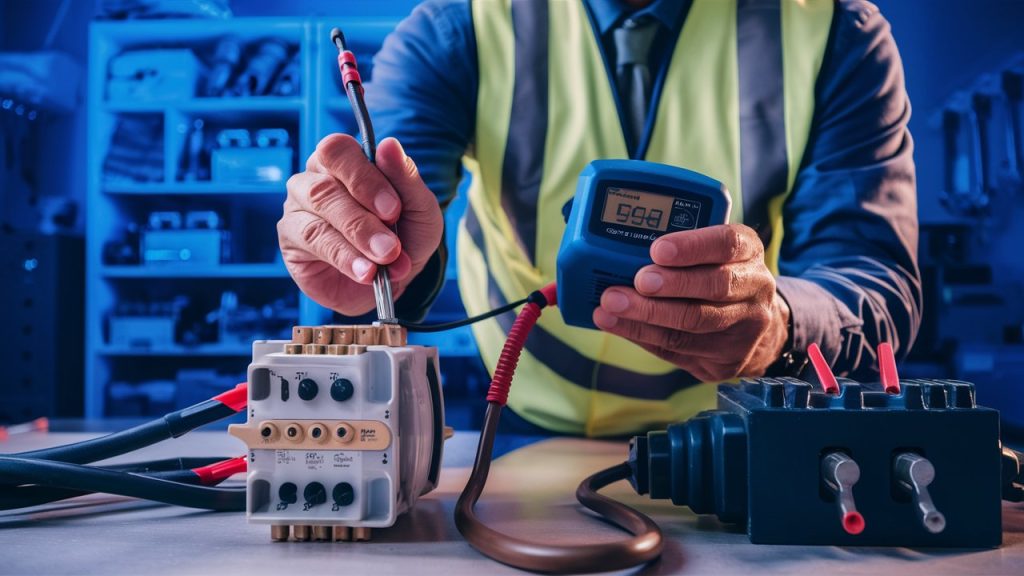
The testing process itself covers two stages. A visual inspection identifies obvious physical damage to cables, plugs, and casings. An electrical test using calibrated equipment then checks earth continuity, insulation resistance, and polarity. Equipment that passes both stages gets a tag showing the test date, the retest due date, and the technician who carried out the testing.
Equipment that fails is tagged out of service and must not be used until it is repaired or replaced.
How to Set Up a Test and Tag Schedule for Your Melbourne Business
The most practical way to stay compliant is to set up a scheduled maintenance plan with a qualified test and tag Service provider rather than booking reactively when an audit is approaching or a tag expiry is noticed.
A scheduled plan means every piece of equipment across your premises gets tested at the correct interval for your workplace category. You receive a full compliance report after each visit that documents every item tested, every item that passed, and every item that was failed and removed from service.
For Melbourne businesses with multiple sites across suburbs like Richmond, South Yarra, Docklands, and Hawthorn, a single provider managing all locations under one schedule simplifies the record keeping significantly. One report, one contact, one renewal date to track.
Keeping physical and digital copies of test and tag records is important. WorkSafe Victoria inspectors can request these records during an inspection and businesses that cannot produce them face the same consequences as those that have not had testing done at all.
Conclusion
Test and tag compliance in Victoria is not something to manage reactively. The intervals are set by Australian standard, WorkSafe Victoria enforces them, and the consequences of falling behind go beyond a failed audit.
Zintra Group provides test and tag services across Melbourne including Richmond, South Yarra, Docklands, Hawthorn, Footscray, and Brunswick. Our certified technicians work around your business hours to minimize disruption and provide full compliance documentation after every visit.
Call us on 1300 934 530 or send an enquiry through the website and we will get back to you the same day.
Frequently Asked Questions
How often do tests and tags need to be done in Victoria?
It depends on your workplace environment. Construction sites need testing every three months. Workshops every six months. Standard office environments in Victoria require testing every twelve months.
What happens if my Melbourne business fails a WorkSafe inspection for a test and tag?
WorkSafe Victoria can issue improvement notices, prohibition notices, and financial penalties to Melbourne businesses that cannot produce current test and tag compliance records.
What electrical equipment needs to be tested and tagged in a Victorian workplace?
Any portable electrical appliance connected to a power outlet including computers, kettles, microwaves, portable heaters, extension leads, and power boards used in Victorian workplaces.
Does the test and tag affect my business insurance in Melbourne?
Yes. Some commercial insurance policies reduce or void coverage for electrical incidents if a Melbourne business cannot produce current test and tag compliance documentation.